Complete Guide to Construction Equipment Rental Agreements
Nearly 60% of construction projects in the United States rent equipment. This is because buying and keeping heavy machinery is very expensive.
If you work in construction, knowing how to handle rental agreements is key. Understanding your rental agreement helps avoid disputes, ensures safety, and protects your project timeline and budget. Always read the contract thoroughly and ask questions before signing.
I’ll show you the important parts of these agreements. This will help you understand the rental process and its main points.

Knowing these details helps you make smart choices. It also helps you avoid problems. By understanding equipment rental terms, you can finish projects on time and on budget.
Key Takeaways
- Understand the key components of a rental agreement.
- Learn how to navigate the rental process effectively.
- Identify potential pitfalls in rental agreements.
- Make informed decisions to ensure project success.
- Understand the importance of equipment rental terms.
The Basics of Construction Equipment Rental
Knowing the basics of construction equipment rental is key for any project. Renting equipment is a common choice. It offers flexibility and saves money, letting companies adjust to project changes without big upfront costs.
Looking into the basics, it’s important to weigh the pros of renting over buying. Renting means no big initial costs. It also means less worry about upkeep and storage.
Why Rent vs. Buy Construction Equipment
Renting construction equipment has many benefits. It cuts down on maintenance costs and lets you use equipment only when needed. This is great for projects that are short or need specific tools.
For example, a company on a short project can rent a crane or excavator without a big financial hit. Experts say renting can save up to 50% compared to buying and maintaining equipment.
“Renting equipment allows businesses to allocate resources more efficiently, improving overall project profitability.”
John Smith, Construction Industry Expert
Common Types of Equipment Available for Rent
There’s a wide range of construction equipment available for rent. This meets different project needs. Some common rentals include:
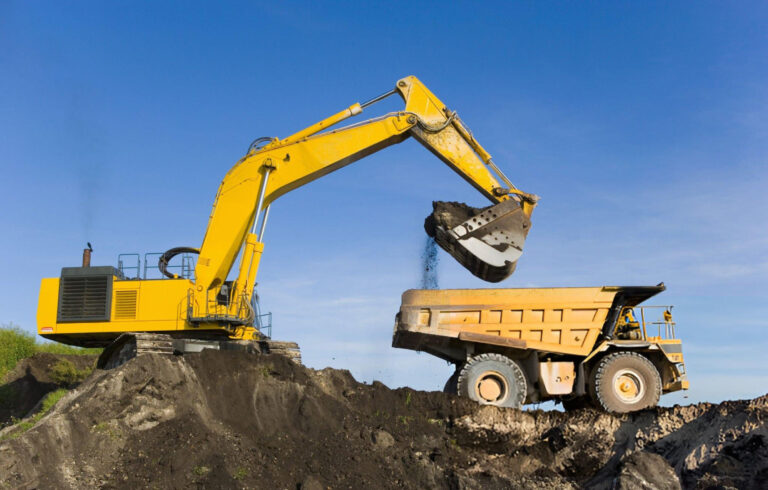
- Excavators and backhoes for digging and moving earth
- Cranes for lifting heavy loads and materials
- Forklifts for handling materials and logistics
- Generators and lighting towers for power
- Concrete mixers and pumps for placing concrete
A rental contract will cover the rental terms, like how long, costs, and who’s responsible for what. Knowing these details is crucial for a smooth rental experience.
| Equipment Type | Rental Duration | Average Cost |
| Excavator | 1 Week | $1,500 |
| Crane | 1 Month | $10,000 |
| Forklift | 1 Day | $200 |

Types of Construction Equipment Rental Agreements
Understanding the different types of construction equipment rental agreements is key. It helps you find the best deal for your project. Each agreement is designed for specific needs and project lengths.

Daily, Weekly, and Monthly Rental Options
For short-term projects, daily, weekly, and monthly rentals are perfect. They offer flexibility and can save money. This is great for projects with tight deadlines or those needing special equipment briefly.
Long-term Lease Agreements
Long-term leases are best for projects lasting months or years. They often have better terms for the lessee. It’s important to check the total cost, maintenance, and penalties for early return.
Rent-to-Own Arrangements
Rent-to-own options are good for those needing equipment long-term or wanting to own it. These agreements let you rent with the option to buy later. Knowing the total cost and potential savings is important.
When making a construction equipment lease agreement, think about your project’s needs. This includes the project length, equipment type, and budget. Knowing how to draft a good agreement can save time and money. Also, understanding the key clauses in equipment rental contracts helps avoid problems and ensures a smooth rental.
Key Components of Construction Equipment Rental Agreements
Knowing the main parts of a construction equipment rental agreement is crucial for a smooth rental. A detailed agreement lists the rules and duties of both sides. This makes sure everyone knows their part.

Equipment Identification and Description
A key part of any rental deal is a clear description of the equipment. This includes the equipment type, model, and serial number. It ensures both sides know exactly what is being rented.
Rental Period and Extension Terms
The agreement must clearly state the rental period. It should include the start and end dates and any rules for extending the rental. Knowing these details helps avoid disagreements.
Pricing Structure and Payment Terms
The agreement should explain the pricing structure. This includes the rates for daily, weekly, or monthly rentals. It should also outline the payment terms, like how to pay and any late fees.
Delivery, Pick-up, and Transportation Provisions
The agreement should say who is in charge of delivery and pick-up of the equipment. It should also cover any transportation costs related to the rental.
Maintenance Responsibilities
It’s important to clearly state maintenance responsibilities in the agreement. This prevents arguments over the equipment’s condition. It should say who is responsible for upkeep and repairs.
Understanding these key parts of a construction equipment rental agreement is vital for a successful rental. Always read the agreement carefully before signing. This way, you’ll know all the rules and conditions.
Understanding Equipment Rental Terms and Conditions
When you rent construction equipment, knowing the rental agreement terms is key. It makes the rental process smooth and cost-effective. Being aware of these terms helps avoid disputes and financial losses.
Standard Terms in Rental Contracts
Rental contracts have standard terms that outline both the renter’s and the rental company might require certified or trained operators for certain machinery. Not following these guidelines can lead to liability for damages or accidents.company’s responsibilities. It’s important to understand these terms.
Operational Guidelines
Operational guidelines are crucial in rental agreements. They tell you how to use, maintain, and operate the equipment. For example
Return Conditions
Return conditions explain how the equipment should be returned to avoid extra charges. This includes cleanliness, any damage, and if all original parts are still attached. It’s important to document the equipment’s condition when you get it and when you return it to avoid disputes.
Red Flags to Watch For in Contract Language
When looking at a rental agreement, watch out for certain red flags. These include unclear terms, high fees for small damages, and unfair liability clauses.
“The devil is in the details,” as the saying goes, and a careful review can save renters from unexpected costs.
A table summarizing key terms and potential red flags can be helpful
| Terms/ Conditions | Description | Potential Red flag |
| Operational Guidelines | Specifies how equipment should be used and maintained | Overly restrictive or vague guidelines |
| Return Conditions | Details the expected state of equipment upon return | Unreasonable cleanliness or damage standards |
| Liability Clauses | Defines liability for damages or accidents | Clauses that unfairly shift liability to the renter |

Understanding the terms and conditions of construction equipment rental agreements helps renters navigate the process better. It avoids potential pitfalls and ensures a successful project outcome.
Insurance Requirements and Liability Clauses
When you rent construction equipment, knowing about insurance and liability is key. As a contractor, it’s important to understand the insurance you need. Also, you should know about liability limits and indemnification clauses.
Types of Insurance Coverage Needed
Rental agreements for construction equipment usually ask for certain insurance types. These are to protect against different risks. The main types are:
- General Liability Insurance: This covers damages to others, like injuries or property damage.
- Equipment Insurance: It protects the rented equipment from loss or damage.
General Liability Insurance
General liability insurance is crucial. It covers damages or injuries to others during the rental. This insurance helps reduce financial risks from accidents or damage.
Equipment Insurance
Equipment insurance, however, focuses on protecting the rental equipment. It’s important for contractors to understand this insurance well. This helps manage their risk effectively.
Understanding Liability Limitations
Liability limits are important parts of rental agreements. They define how much liability a party has in case of accidents or damage. Contractors need to review these clauses carefully to know their financial risks.
Some key things to look at include:
- The scope of liability
- Exclusions or limitations of liability
- Indemnification obligations
Indemnification Clauses Explained
Indemnification clauses help share risk between parties. They make one party pay for losses or damages from certain events or situations.
To deal with these clauses well, contractors should:
- Read the indemnification terms carefully
- Know what’s covered by indemnification
- Talk about terms if needed to share risk fairly
Equipment Condition and Inspection Protocols
Before renting construction equipment, it’s important to inspect it first. This step helps find any damage that might cause problems later. It also helps avoid arguments when the equipment is returned.
Pre-rental Inspection Checklist
A detailed pre-rental check involves looking at the equipment’s condition. Make sure it works well and note any damage. This is important for both the person renting and the one renting out.
Documentation Requirements
Good documentation is crucial during the inspection. Take photos or videos of the equipment’s state. Note any damage or wear. This evidence can help solve any future problems.
Equipment Testing Procedures
Testing the equipment before renting is also key. Run the machinery to check if it works right. Any problems found should be fixed before the rental starts.
Post-rental Assessment and Potential Disputes
After renting, it’s important to check the equipment again. This check helps figure out if any damage happened during the rental. It can help solve any disagreements.
Some important things to look at during the post-rental check include:
- Compare the equipment’s current state with the pre-rental report
- Find any new damage or extra wear
- Keep evidence for any claims
By following these steps, both sides can have a smooth rental experience. This reduces the chance of disagreements about the equipment’s condition.
Navigating Damage and Repair Responsibilities
Understanding damage and repair in construction equipment rentals is key. It’s important for both sides to know the rental agreement well. This helps avoid disputes and ensures everyone knows their role.
Normal Wear and Tear vs. Damage
It’s crucial to know the difference between normal wear and actual damage. Normal wear is the usual wear and tear from regular use. Damage is more serious and can affect how the equipment works.
For example, a piece of equipment might wear out its tires or tracks from lots of use. But, if damage happens because of an accident or misuse, that’s not normal wear.
Repair Cost Allocation
Who pays for repairs is a big part of rental agreements. It’s about figuring out who should cover the costs of fixing or replacing damaged equipment.
Vendor Responsibilities
Vendors usually handle keeping the equipment in good shape. They fix issues from normal wear and make sure it works at the start of the rental.
Renter Responsibilities
Renters are often on the hook for damages caused by their own mistakes or misuse. They might also need to do regular upkeep to keep the equipment in top shape.
Here’s a simple table to show who does what:
| Responsibility | Vendor | Renter |
| Normal wear and tear | Yes | No |
| Damage due to misuse | No | Yes |
| Routine maintenance | Yes | Yes |
Legal Considerations for Construction Equipment Rentals
Understanding the legal side of construction equipment rentals is key. It helps ensure you follow the rules and avoid big problems. Each place has its own set of rules for renting out construction equipment. Knowing these rules is important to avoid legal issues and financial losses.
State-Specific Regulations
Every state has its own rules for renting out construction equipment. These rules cover things like how to use the equipment, safety, and protecting the environment. For example, some places need you to have a special license to use certain equipment. It’s important to know the rules in the state where you’re renting.
| State | Regulation | Description |
| California | License Requirements | Requires a valid license to operate heavy equipment |
| Texas | Safety Standards | Mandates adherence to specific safety protocols for equipment operation |
| New York | Environmental Compliance | Requires compliance with environmental regulations for equipment emissions |
Dispute Resolution Mechanisms
Disputes can happen when renting out construction equipment. They might be about damage, not getting paid, or disagreements in the contract. Having ways to solve these problems, like mediation or arbitration, can help. Putting these options in the rental agreement can prevent big fights.
Enforceability of Contract Terms
It’s very important that the terms of the rental agreement can be enforced. The agreement needs to be clear, cover everything important, and follow the law. This means making sure the payment terms, the condition of the equipment, and who is responsible for what are all spelled out.
By understanding and dealing with these legal issues, contractors and construction companies can handle renting out equipment better. They can reduce risks and make sure projects go well.
How to Draft a Construction Equipment Rental Agreement
A detailed construction equipment rental agreement is key for both the lessor and lessee. I’ll show you the important parts to include. This way, you’re ready for a successful rental.
Essential Clauses to Include
When making a construction equipment rental agreement, there are important clauses to add.
These include the equipment’s description, rental time, payment details, and who’s responsible for maintenance.
Don’t forget to outline how the equipment will be delivered, inspected, and returned.
Customizing the Agreement for Your Project
Every construction project is different. Your rental agreement should match your project’s needs.
Customize the agreement for your project’s specific needs. This might mean listing the exact equipment, rental time, and any special safety rules.
Sample Agreement Templates and Resources
Using sample construction equipment rental agreement templates can make things easier.
These templates give you a starting point. You can then adjust them to fit your project’s needs.
Many industry groups and legal resources have templates and tips for making rental agreements.
By following these steps and adding the right clauses, you can make a solid rental agreement. It will protect your interests and make the rental process smooth.
Conclusion
Understanding construction equipment rental agreements is key to a project’s success. Knowing the basics helps you navigate the rental process confidently. This includes terms and policies related to equipment rental.
It’s important to know the main parts of rental agreements. This includes what equipment is rented, how long, and who is responsible for maintenance. Also, being aware of legal aspects helps you make smart choices and manage risks.
When you’re ready to sign a rental agreement, review it carefully. Make sure it meets your project’s needs. This way, you can manage your rental agreements well, avoid disputes, and ensure your project goes smoothly.
Choose SENT INVESTMENT LIMITED for your Equipment needs
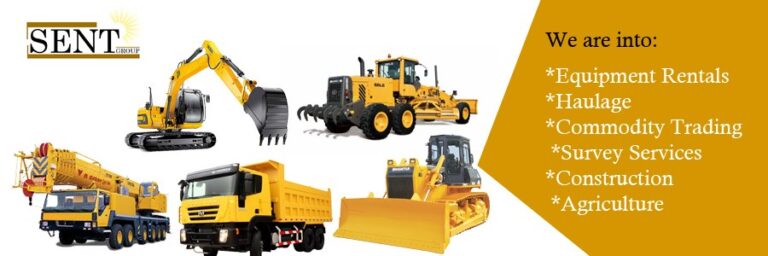
SENT Investment Limited is a construction, mining and industrial equipment rental company and as the construction and mining industry expands, SENT is positioning itself as a leader in the equipment and construction industry enhancing efficiency and promoting sustainability by providing a wide range of machinery tailored to meet specific needs of mining and construction projects,ensuring that clients receive machinery that perfectly matches their project needs,enhancing efficiency and reducing costs. It aims to achieve Zero Non-Productive Time (NPT), ensuring that equipment is always operational and contributing to project timelines, prioritizing preventive maintenancce and ensuring all rented equipment operates at optimal performance levels. Maximizes uptime and this approach is crucial for maintaining project schedules and profitability,guarantees higher efficiency, fewer delays, and greater profitability for businesses.By eliminating the burden of equipment ownership, leveraging advanced technology, and offering flexible rental models, SENT GH is empowering companies to focus on their core projects while optimizing efficiency and reducing costs.With a commitment to innovation, reliability, and customer satisfaction, SENT GH is setting new industry standards and shaping the future of equipment rental in Ghana
Why SENT GH Stands Out
- End-to-end rental services
- Technology driven efficiency
- Zero NPT KPI Measurement
- Flexible Payment & Leasing Models
The Road Ahead for Equipment Rental in Ghana
Ghana’s equipment rental industry is at a turning point, with significant opportunities for growth fueled by the key drivers of equipment rental. These are;
- Infrastructure development and urbanization
- Technological Advancements in Equipment Management
- Increased Adoption of Green & Sustainable Machinery
The ongoing infrastructure projects such as major roads, housing infrastructure and commercial real estate and rapid urbanization in Ghana are creating a high demand for rental equipment.This trend is expected to continue as the country invests more in construction and development projects and the introduction of advanced technologies are enhancing productivity and improving customer satisfaction. Businesses are prioritizing eco-friendly equipment to align with Ghana’s sustainability goals.
How SENT GH is Leading the Way
With a customer-first approach and industry-leading solutions, SENT GH is at the forefront of this transformation. It is helping businesses in Ghana navigate the evolving landscape of equipment rental seamlessly. Whether you’re looking for reliable rental equipment for your next project, SENT GH provides the expertise and machinery needed to ensure success. The future of equipment rental in Ghana is bright, with opportunities for growth driven by infrastructure development, technological innovation, and sustainability. As the market continues to evolve, companies like SENT Investment Limited will play a crucial role in shaping its trajectory and meeting the changing needs of businesses in the region.
Partner with SENT INVESTMENT LIMITED—where innovation meets efficiency!
FAQ
What is the difference between a rental agreement and a lease agreement for construction equipment?
A rental agreement is for short-term rentals. A lease agreement is for longer terms. Rental agreements are more flexible. Lease agreements can include buying options.
What are the key components of a construction equipment rental agreement?
The main parts include what equipment is rented, how long, and the cost. It also covers delivery, who does maintenance, and payment details.
How do I determine the rental period for my construction equipment needs?
The rental time depends on your project’s needs and schedule. Make sure you estimate well to avoid extra costs or penalties.
What types of insurance coverage are required for construction equipment rentals?
General liability and equipment insurance are usually needed. General liability covers damages to others. Equipment insurance covers damage to the rented equipment.
What is the difference between normal wear and tear and damage in a construction equipment rental agreement?
Normal wear and tear is expected to cause damage. Damage is harm caused by misuse or accident.
How can I customize a construction equipment rental agreement for my project?
To tailor a rental agreement, list your equipment needs, rental time, and terms. Include any special project needs or conditions.
What are some common red flags to watch out for in construction equipment rental contracts?
Watch for unclear contract language, harsh penalties for late returns or damage, and lacking insurance requirements.
How do I ensure that my construction equipment rental agreement complies with state-specific regulations?
Review state laws on construction equipment rentals. It’s wise to get legal advice from someone familiar with your area’s laws.
What is the purpose of a pre-rental inspection checklist in a construction equipment rental agreement?
A pre-rental checklist documents the equipment’s condition before renting. It helps avoid disputes over damage or wear when it’s returned.
Can I use a sample construction equipment rental agreement template for my project?
Yes, a sample template can help. But, make sure to customize it for your project and check it meets legal requirements.