How Construction Equipment Rental Maximizes Efficiency and Reduces Costs for Mining and Industrial
In today’s fast-paced construction, mining, and industrial sectors, businesses constantly seek ways to reduce costs and maximize efficiency. One critical decision they face is whether to buy or rent heavy equipment. While purchasing machinery may seem like a long-term investment, renting has emerged as a cost-effective, flexible, and highly efficient solution.
From reducing upfront costs to eliminating maintenance hassles, equipment rental offers significant advantages that help businesses stay competitive and profitable. In this article, we’ll explore how renting heavy machinery can enhance operational efficiency, reduce financial burdens, and provide access to cutting-edge technology all while ensuring smooth project execution.
This shows how big of an impact renting has on the industry. Renting construction equipment, tools, and solutions is key for mining and industrial work. It lets businesses use the latest tech and skills without big upfront costs.
By renting equipment, companies can save money, work more efficiently, and get better results

Introduction to Equipment Rental Benefits
Renting equipment has many benefits. It means less money spent upfront, lower maintenance costs, and more flexibility. Renting construction equipment lets businesses grow or shrink as needed. This is great for companies with changing needs.
Tool rental services give access to special equipment. This lets companies handle big projects without huge investments.
Key Takeaways
- Equipment rental can reduce costs and increase efficiency for mining and industrial operations
- Construction equipment rental provides access to the latest technology and expertise
- Tool rental services offer flexibility and scalability for businesses
- Equipment rental can help companies avoid substantial upfront investments
- Construction equipment rental can improve productivity and reduce maintenance costs
Understanding Equipment Rental in Mining and Industrial Operations
Equipment rental is key in mining and industrial fields. It lets companies adjust to new project needs and unexpected equipment breakdowns. With heavy equipment rental, businesses can use many machines and tools without big upfront costs. This way, they can use their resources better, save money, and work more efficiently.
According to the American Rental Association (ARA), the global equipment rental market is expected to grow beyond $140 billion by 2027 due to rising demand in construction, mining, and heavy industries.
When it comes to equipment leasing, companies can pick from many types of equipment. This includes excavators, cranes, and bulldozers. These machines are crucial for mining and industrial tasks like digging, moving materials, and building. By choosing equipment hire, companies can make sure they have the right tools to finish projects on time and under budget.
Types of Construction Equipment Available for Rent
A variety of industrial and mining equipment can be rented based on specific project requirements.
| EQUIPMENT TYPES | COMMON USES |
| Bulldozers | Land clearing and heavy-duty pushing |
| Cranes & Hoists | Lifting and positioning heavy loads |
| Drilling Rigs | Mineral exploration and drilling |
| Excavators & Loaders | Mining, digging, and material handling |
| Generators & Compressors | Power backup & air compression for mining |
| Dump Trucks & Tippers | Transporting materials |
| Forklifts | Warehouse & logistics operations |
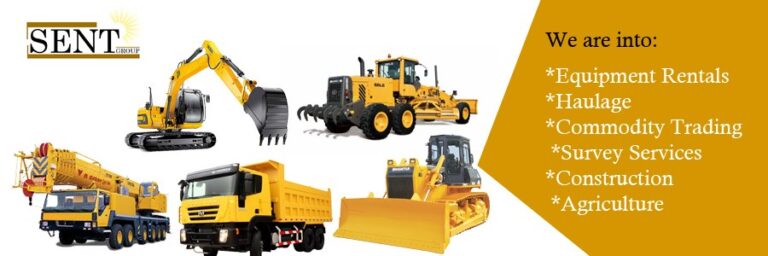
Companies like SENT GH offer a full fleet of rental machinery, ensuring businesses can access top-quality industrial equipment without ownership risks.
The Strategic Advantages of Equipment Rental Over Purchasing
Equipment rental services offer a cost-effective solution for businesses. They avoid the high upfront costs of buying equipment. In industries like construction, mining, and heavy industrial operations, businesses often face a critical decision: should they buy or rent equipment? While ownership might seem like the obvious choice, equipment rental is increasingly becoming the strategic and cost-effective solution. This way, companies can save money for other important areas.
According to the latest report by Grand View Research, the global construction equipment rental market was valued at $111.6 billion in 2021 and has been experiencing steady growth. As of 2025, the market continues to expand at a projected CAGR of 6.12%, driven by increasing infrastructure projects, advancements in construction technology, and cost-saving measures adopted by businesses worldwide. This upward trend highlights the growing demand for flexible, cost-effective equipment rental solutions across various industries..
Cost-Benefit Comparison: Renting vs. Buying
| FACTOR | RENTING EQUIPMENT | BUYING EQUIPMENT |
| Initial investment | Low upfront cost | High upfront purchase cost |
| Maintenance Cost | Covered by rental provider | Expensive maintenance & repairs |
| Flexibility | Can switch machines as needed | Stuck with purchased equipment |
| Depreciation | No depreciation worries | Equipment loses value over time |
| Technology Upgrades | Access to latest models | Stuck with outdated machinery |
| Insurance & Liability | Often included in rental package | Owners must pay for insurance & risk coverage |
Working with a reliable equipment rental company lets businesses focus on their main tasks. They handle the equipment management. This smart approach helps companies save money and work more efficiently. Whether it’s industrial equipment or other types, rental services are a wise choice for businesses.
Cost-Benefit Analysis of Construction Equipment Rental
Thinking about renting construction equipment? It’s key to look at the costs and benefits. Renting equipment saves money upfront. This means you can use that money for other parts of your project.
Renting also saves on maintenance costs. The rental company handles upkeep and fixes. This is great for companies that can’t afford or don’t know how to maintain big machines. You can also rent tools, giving you access to special tools without a big investment.
Financial Implications
The money side of renting equipment is big. It avoids the cost of owning and depreciating equipment. Buying heavy machinery requires a significant upfront capital investment. Depending on the type, industrial equipment can cost anywhere from $100,000 to several million dollars. This can strain cash flow and limit a company’s ability to invest in other areas, such as labor, expansion, or new projects Rental companies offer flexible terms, perfect for short-term or seasonal needs. This can help you save on taxes and equipment costs.With rental, businesses pay only for the duration they use the equipment. This pay-as-you-go model reduces the need for large capital expenditures, freeing up cash for operational and strategic growth.
Tax Benefits
Renting equipment can also help with taxes. You can write off rental payments as business expenses. This is especially good for small businesses or those with tight budgets. Looking into rental options can help you find the right equipment for your project. When deciding between renting or purchasing equipment for construction, mining, or industrial operations, financial factors play a crucial role but one often overlooked advantage is tax savings. Renting offers several tax benefits that can help businesses reduce liabilities, improve cash flow, and maintain financial flexibility.
Maximizing Operational Efficiency Through Equipment Rental
Equipment rental is a smart way to boost efficiency in many fields, like construction and mining. By choosing equipment rental or heavy equipment rental, companies can make their operations smoother. They can cut down on waste and work better overall. This method lets businesses use the equipment they need without owning it, freeing up resources.
One big plus of equipment leasing is it makes work more productive. With the right tools, tasks get done faster, cutting down on idle time and boosting output. Plus, rental providers handle maintenance and repairs, keeping the equipment running well and avoiding breakdowns.
Some key benefits of equipment rental include:
- Less money spent on capital
- More flexibility in choosing equipment
- Better maintenance and repair services
- Improved project management
By using equipment rental or heavy equipment rental services, businesses can focus on what they do best. They leave the equipment worries to the rental company. This way, companies can use their resources better, save money, and work more efficiently. As more companies look for ways to work smarter, equipment leasing is becoming a popular choice.

Essential Factors in Choosing the Right Equipment Rental Provider
Choosing the right equipment rental company is crucial. A good provider offers top-notch rental equipment services. This ensures your industrial equipment rental needs are met. Look at their reputation, equipment quality, and service agreements to make a smart choice.
An equipment rental company with a strong reputation is a better choice. They have well-maintained equipment, flexible rental options, and great customer support. This means less downtime and more productivity for you.
- Provider reliability and reputation
- Equipment quality and maintenance standards
- Service level agreements and customer support
By carefully looking at these points, you can find the best rental provider for your business. This ensures you get quality services and a great rental experience.
Equipment Rental Solutions for Different Project Scales
Equipment rental is a flexible solution for managing projects of all sizes. It helps with small, medium, or large projects by providing the right tools. This way, businesses can adjust to project changes easily, using equipment as needed.
For small projects, tool rental is a cost-effective option. It lets you use specialized equipment without buying it. Medium projects might need a mix of big machinery and smaller tools, easily found through rental services. Large projects require a variety of equipment, like cranes and generators, all available for rent.
Equipment rental offers several benefits for any project size:
- Reduced upfront costs
- Increased flexibility in equipment selection
- Improved maintenance and repair support
- Enhanced operational efficiency

Using equipment rental lets businesses focus on their main work, not equipment worries. It helps companies quickly adapt to project changes, ensuring they finish on time. Whether it’s a small, medium, or large project, rental equipment can support your success.
Impact of Seasonal Demands on Equipment Rental Decisions
Seasonal demands greatly affect equipment rental choices, especially in construction and mining. When it’s busy, more heavy equipment is needed. Equipment leasing is a good choice for companies that need to grow during these times.
To get ready for busy seasons, companies should plan early and book equipment. This way, they can avoid delays and keep things running smoothly. On the other hand, slow seasons offer a chance to rent equipment cheaper. This helps keep costs down while still running operations.
Peak Season Planning
- Secure equipment rental in advance to minimize downtime
- Plan for increased demand and scale up operations accordingly
- Consider equipment leasing options to meet peak season demands
Off-Season Opportunities
- Rent equipment at lower rates to reduce costs
- Maintain operations during off-season periods to stay competitive
- Use off-season periods to perform maintenance and repairs on equipment
Knowing how seasonal demands affect equipment rental helps companies make better choices. This approach keeps them competitive, saves money, and ensures operations run all year.
Technology Integration in Modern Equipment Rental Services
Modern equipment rental services have changed a lot with new technology. This change helps businesses use equipment better, cut down on downtime, and work more efficiently. When looking for equipment rental near me, you can find many options, including tool rental services.
Technology has brought digital fleet management systems. These systems let you watch equipment performance and location in real time. This helps predict when maintenance is needed, avoiding equipment failure and less downtime. Using construction equipment rental services lets businesses use the latest tech and know-how without big upfront costs.
Some main benefits of using technology in equipment rental services are:
- Equipment is used better and downtime is less
- Predictive maintenance is improved
- There’s more transparency and accountability with real-time monitoring
By using technology, equipment rental companies can offer better and more effective services. They meet their customers’ changing needs and stay competitive.
Risk Management and Insurance Considerations
When you rent equipment, thinking about risk and insurance is key. Rental services can help lower risks, but you need the right insurance. Companies often offer liability, equipment, and business interruption insurance to protect your assets.
Some important things to think about include:
- Liability insurance to cover damages or injuries caused by the rented equipment
- Equipment insurance to protect against theft, damage, or loss of the rented equipment
- Business interruption insurance to ensure continuity of operations in case of unexpected events
Choosing a reliable rental company and the right insurance can reduce risks. Risk management and insurance considerations are vital in any rental agreement. They help ensure a successful operation.
Best Practices for Equipment Rental in Mining and Industrial Applications
Equipment rental in mining and industrial fields has its own set of best practices. Following these tips can help businesses get the most out of their rentals. It also helps in avoiding risks and ensuring smooth operations. Renting heavy equipment can be a smart move for companies needing specialized gear for projects.
Renting equipment lets companies use high-quality gear without a big upfront cost. This is great for startups or those with tight budgets. Leasing equipment is another option. It allows for extended use without the purchase costs.
Contract Negotiation Tips
- Clearly define the terms of the rental agreement, including the length of the rental period and the cost of the equipment.
- Specify the responsibilities of both the renter and the equipment provider.
- Negotiate the price and payment terms to ensure they are fair and reasonable.

Equipment Maintenance Protocols
Regular maintenance is key to keeping equipment in top shape. It prevents breakdowns and ensures everything works right. This includes daily checks, routine maintenance, and scheduled repairs.
Emergency Response Planning
Having a plan for emergencies is crucial. It should cover how to respond quickly and effectively. This includes a backup plan for equipment failure and a plan for accidents or incidents.
Leveraging Equipment Rental for Long-term Success
Equipment rental gives mining and industrial businesses a big edge. It helps them work more efficiently and save money. By using top-notch equipment from trusted rental providers, companies can stay up-to-date without worrying about upkeep.
Whether you’re working on a big project or just need tools for a task, rental offers flexibility. It lets you adapt quickly to market changes. By picking the right rental partner and using new tech, you can grow your business and succeed in the long run.
How SENT GH is Driving Innovation, Efficiency, and Sustainability in Equipment Rental
SENT GH is a construction, mining and industrial equipment rental company and as the construction and mining industry expands, SENT is positioning itself as a leader in the equipment and construction industry enhancing efficiency and promoting sustainability by providing a wide range of machinery tailored to meet specific needs of mining and construction projects,ensuring that clients receive machinery that perfectly matches their project needs,enhancing efficiency and reducing costs. It aims to achieve Zero Non-Productive Time (NPT), ensuring that equipment is always operational and contributing to project timelines, prioritizing preventive maintenancce and ensuring all rented equipment operates at optimal performance levels. Maximizes uptime and this approach is crucial for maintaining project schedules and profitability,guarantees higher efficiency, fewer delays, and greater profitability for businesses.By eliminating the burden of equipment ownership, leveraging advanced technology, and offering flexible rental models, SENT GH is empowering companies to focus on their core projects while optimizing efficiency and reducing costs.With a commitment to innovation, reliability, and customer satisfaction, SENT GH is setting new industry standards and shaping the future of equipment rental in Ghana
Why SENT GH Stands Out
- End-to-end rental services
- Technology driven efficiency
- Zero NPT KPI Measurement
- Flexible Payment & Leasing Models
The Road Ahead for Equipment Rental in Ghana
Ghana’s equipment rental industry is at a turning point, with significant opportunities for growth fueled by the key drivers of equipment rental. These are;
- Infrastructure development and urbanization, and
- Technological Advancements in Equipment Management
- Increased Adoption of Green & Sustainable Machinery
The ongoing infrastructure projects such as major roads, housing infrastructure and commercial real estate and rapid urbanization in Ghana are creating a high demand for rental equipment.This trend is expected to continue as the country invests more in construction and development projects and the introduction of advanced technologies are enhancing productivity and improving customer satisfaction. Businesses are prioritizing eco-friendly equipment to align with Ghana’s sustainability goals.
How SENT GH is Leading the Way
With a customer-first approach and industry-leading solutions, SENT GH is at the forefront of this transformation. It is helping businesses in Ghana navigate the evolving landscape of equipment rental seamlessly. Whether you’re looking for reliable rental equipment for your next project, SENT GH provides the expertise and machinery needed to ensure success.The future of equipment rental in Ghana is bright, with opportunities for growth driven by infrastructure development, technological innovation, and sustainability. As the market continues to evolve, companies like SENT GH will play a crucial role in shaping its trajectory and meeting the changing needs of businesses in the region.
Partner with SENT GH—where innovation meets efficiency!
FAQ
What types of equipment are available for rent in the mining and industrial sectors?
You can rent a variety of heavy machinery for mining and industrial work. This includes excavators, bulldozers, cranes, forklifts, backhoes, and skid steers. Rental companies also have specialized gear like drilling rigs, compressors, generators, and material handling solutions.
How can equipment rental help reduce costs in mining and industrial operations?
Renting equipment can save money in several ways. It means you don’t have to spend a lot on buying equipment upfront. This frees up money for other important business needs.
Rental companies take care of maintenance, repairs, and moving the equipment. This saves you time and money. Plus, you can easily adjust your equipment needs as your projects change, without the hassle of owning too much.
What are the tax benefits of equipment rental compared to purchasing?
Renting equipment often has better tax benefits than buying. Rental payments are seen as operating expenses, which you can deduct from your taxable income right away. Buying equipment means you have to spread out the depreciation over several years.
This can affect your cash flow and taxes in the short term. So, renting can be more tax-friendly.
How can equipment rental improve operational efficiency in mining and industrial operations?
Renting equipment can make your operations more efficient. It gives you access to the latest technology and equipment, which can boost productivity and cut downtime.
Rental companies handle the logistics of getting, maintaining, and replacing equipment. This lets you focus on your main work. Renting also lets you quickly adapt to changing project needs or unexpected equipment failures.
What factors should be considered when choosing an equipment rental provider?
When picking a rental provider, look at their reliability, reputation, and financial health. Check the quality and upkeep of their equipment. Make sure they have what you need when you need it.
Also, consider their customer service and the terms of their rental agreement. This includes insurance and policies on damage.
How can equipment rental solutions be tailored to different project scales in mining and industrial operations?
Rental providers offer solutions for all project sizes. For smaller projects, they have compact, easy-to-move equipment. For bigger projects, they have a wide range of heavy machinery and fleet management services.
This flexibility lets businesses adjust their equipment needs without being tied down by owning too much.
How can equipment rental help businesses manage seasonal demands in mining and industrial operations?
Renting equipment is great for handling seasonal demands. During busy times, you can quickly get the extra equipment you need. In slow times, you can return it, avoiding the cost of unused assets.
This flexibility helps keep your operations running smoothly and profitably all year.
What are the technology-driven features of modern equipment rental services?
Today’s rental services use advanced technology to improve efficiency and customer experience. They have digital fleet management systems for remote monitoring and predictive maintenance.
They also offer online ordering, real-time tracking, and data insights to help you use equipment better and boost productivity.
What insurance considerations are important when renting equipment for mining and industrial applications?
When renting equipment for mining and industrial work, make sure you have the right insurance. This includes liability insurance for third-party claims, equipment insurance for repairs or replacement, and business interruption insurance for unexpected downtime.
Talk to your rental provider about these insurance needs and make sure you have enough coverage. This is key to managing risks.