How To Choose the Right Construction Equipment for Rent: A complete Contractor’s Guide
The construction industry is a significant contributor to the US economy, with the construction equipment rental market playing a vital role in its growth. However, a recent survey revealed that nearly 60% of construction projects face delays due to inadequate equipment.
In the booming world of construction, choosing the right equipment can be the make-or-break factor for project success. To choose the right equipment to rent, start by defining your needs, equipment specifications and research. Renting equipment allows flexibility, saves money, and lets you focus more on operations and less on ownership headaches. This expert guide will walk you through how to choose the right construction equipment for rent, saving you time, money, and a whole lot of frustration
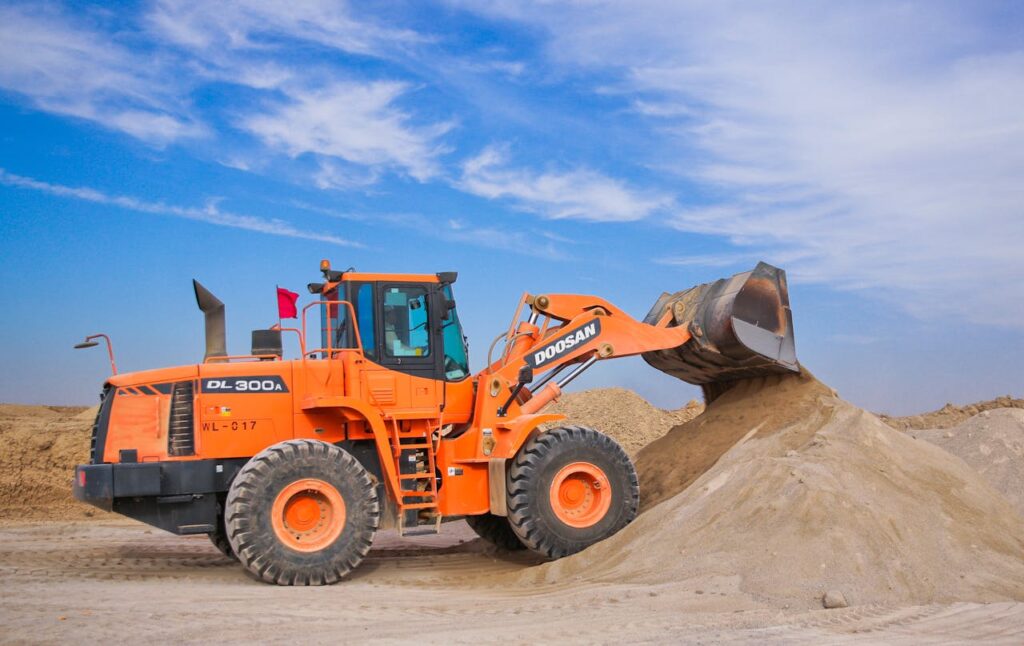
Effective project planning is crucial in avoiding such delays, and equipment selection is a critical component of this process. Renting the right construction equipment can make a significant difference in project timelines, budgets, and overall success.
This article will explore the importance of construction equipment rental and provide guidance on selecting the right equipment for your project needs.
Key Takeaways
- Understanding the impact of equipment selection on project outcomes
- Factors to consider when renting construction equipment
- Best practices for effective equipment selection and project planning
- The benefits of renting construction equipment
- Common challenges faced by construction projects due to inadequate equipment
Understanding the Importance of Proper Equipment Selection
The importance of selecting the right construction equipment for rent cannot be overstated, as it affects multiple aspects of a project. Proper equipment selection is fundamental to ensuring that construction projects are completed on time, within budget, and without compromising safety.
Impact on Project Timeline and Efficiency
Selecting the appropriate equipment enhances project efficiency by ensuring that tasks are completed in a timely manner. The right equipment can significantly reduce the time required for project completion, thereby impacting the project timeline positively. Key benefits include:
- Faster task completion
- Reduced labor costs
- Improved overall project flow
Effect on Budget Management and Cost Control
Proper equipment selection is also crucial for budget management and cost control. Renting the right equipment can help avoid unnecessary expenses related to equipment maintenance, fuel, and operation. It allows for more accurate cost control, ensuring that projects stay within financial constraints.
Safety and Compliance Considerations
Furthermore, the right equipment ensures compliance with safety considerations and regulatory standards, reducing the risk of accidents and potential legal issues. This is critical for maintaining a safe working environment and avoiding costly penalties.
Assessing Your Project Requirements
Assessing your project requirements is essential for efficient construction equipment rental. Understanding the specifics of your project helps in making informed decisions about the type of equipment needed.
Determining Project Scope and Scale
The first step in assessing your project is to determine its scope and scale. This involves identifying the tasks that need to be accomplished and the size of the area where the work will be done.
- Define the project’s objectives and timelines.
- Assess the site conditions and accessibility.
- Determine the quantity of work to be done.
Creating an Equipment Needs Checklist
Once the project’s scope is understood, create a checklist of the equipment needed. This list should be based on the tasks identified during the scope assessment.
Key considerations include:
- The type of equipment required for each task.
- The capacity and size of the equipment needed.
- Any specialized equipment that may be required.
Considering Project Duration and Scheduling
The duration of the project and the scheduling of tasks play a crucial role in determining the rental period.
Short-term vs. Long-term Rental Strategies
Deciding between short-term and long-term rental strategies depends on the project’s timeline and budget. Short-term rentals are ideal for projects with tight deadlines or those that require equipment for a brief period. On the other hand, long-term rentals can be more cost-effective for projects that span several months.
Types of Construction Equipment Available for Rent
With numerous types of construction equipment available for rent, contractors can choose the right machinery for their specific project needs. The variety of equipment caters to different project requirements, ensuring that contractors can find the appropriate machinery for their tasks.
- Earthmoving Equipment
Earthmoving equipment is crucial for projects that involve digging, moving large amounts of soil, or grading land. This category includes:
- Excavators, Bulldozers, and Backhoes
Excavators are versatile machines used for digging and moving materials. Bulldozers are powerful machines ideal for grading and moving large amounts of soil. Backhoes combine the capabilities of excavators and loaders, making them suitable for a variety of tasks.
- Skid Steers and Compact Track Loaders
Skid steers and compact track loaders are compact machines that offer maneuverability and versatility, ideal for tasks in confined spaces or for projects requiring precision.
- Material Handling Equipment
Material handling equipment is essential for moving materials around the construction site. This includes:
- Forklifts and Telehandlers
Forklifts are used for lifting and moving materials over short distances. Telehandlers offer extended reach and are capable of handling loads in various positions.
- Cranes and Hoists
Cranes are critical for lifting heavy loads and placing them precisely. Hoists are used for lifting and lowering loads, often used in conjunction with cranes or as standalone equipment.
- Concrete and Masonry Equipment
This category includes mixers, pumps, and finishing tools necessary for concrete work and masonry projects.
- Compaction Equipment
Compaction equipment, such as rollers and plate compactors, is used to densify soils and other materials, ensuring a stable base for construction.
How to Choose the Right Construction Equipment for Rent
The process of selecting the appropriate construction equipment for rental can significantly impact your project’s outcome. Selecting the right equipment is not just about getting the job done; it’s about doing it efficiently, safely, and within budget.
- Matching Equipment to Specific Tasks
To ensure that the rented equipment meets your project’s needs, it’s essential to match it to the specific tasks at hand. Different tasks require different types of equipment. For instance, earthmoving tasks require bulldozers or excavators, while material handling tasks may require forklifts or telehandlers.
- Considering Site Conditions and Accessibility
Site conditions and accessibility play a crucial role in equipment selection. The terrain, space constraints, and environmental conditions can affect the type of equipment that can be used. For example, in areas with tight spaces, smaller, more maneuverable equipment may be necessary.
- Evaluating Equipment Age and Condition
The age and condition of the equipment are also critical factors. Newer equipment tends to be more efficient and less likely to break down, reducing downtime and potentially saving on repair costs. It’s essential to evaluate the maintenance records and condition of the equipment before renting.
| EQUIPMENT TYPE | TASK SUITABILITY | SITE CONDITION CONSIDERATIONS |
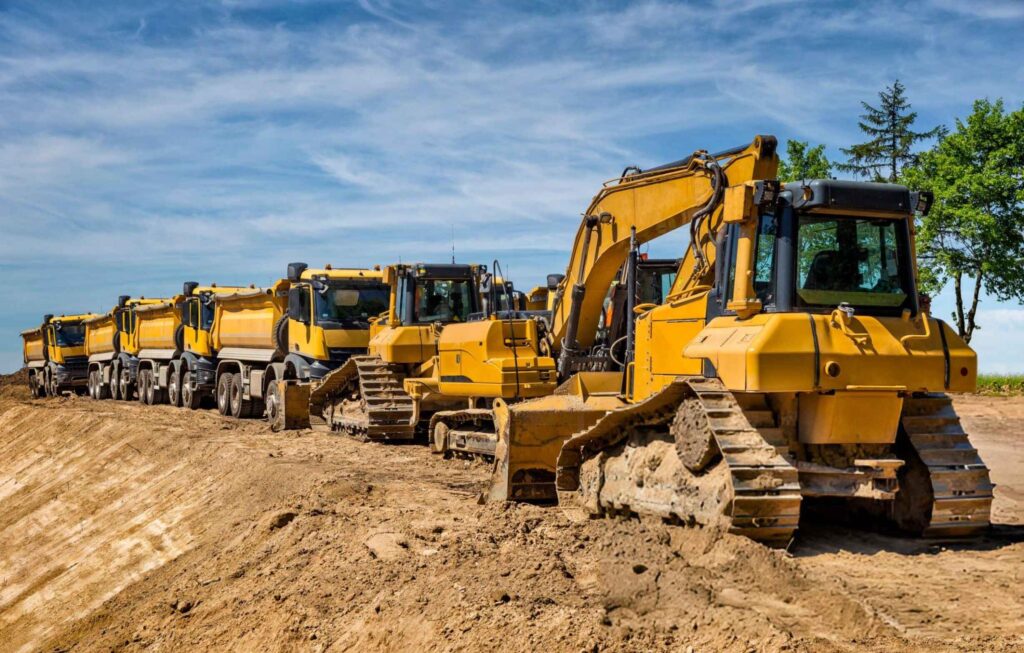
| Bulldozers | Earthmoving | Uneven terrain,heavy-duty tasks |
| Forklifts | Material Handling | Indoor or outdoor use, varying load capacities |
| Telehandlers | Material Handling, Lifting | Outdoor use, high reach capabilities |
Evaluating Equipment Specifications and Features
Understanding the specifications and features of construction equipment is vital for making an informed rental decision. This involves assessing various aspects of the equipment to ensure they align with the project’s requirements.
- Size and Capacity Requirements
The size and capacity of the equipment are critical factors that determine its suitability for the project. Choosing equipment that matches the project’s scale is essential to avoid inefficiencies and potential safety hazards. For instance, using a crane with a capacity that exceeds the project’s needs might be unnecessary and costly.
- Power Source Considerations
The power source of the equipment is another crucial consideration. Diesel, electric, and hybrid options each have their advantages and disadvantages.
Diesel vs. Electric vs. Hybrid Options
Diesel equipment is known for its durability and power, making it suitable for heavy-duty tasks. Electric equipment, on the other hand, offers environmental benefits and reduced operating costs. Hybrid equipment combines the benefits of both, providing a balance between power and efficiency.
Operational Features and Technology
Modern construction equipment often comes equipped with advanced operational features and technology, such as GPS and telematics systems.
GPS and Telematics Systems
These systems enable real-time monitoring of equipment, enhancing productivity and reducing the risk of equipment misuse. As noted by a construction industry expert, “Telematics has revolutionized the way we manage our equipment, allowing for more efficient operation and reduced costs.”
“The integration of GPS and telematics into construction equipment has been a game-changer, providing unparalleled insights into equipment performance and utilization.”
Cost Analysis for Equipment Rental
A detailed cost analysis for equipment rental helps in making informed decisions about project expenses. When renting construction equipment, understanding the various cost components is crucial to managing your budget effectively.
Daily vs. Weekly vs. Monthly Rates
Equipment rental rates vary based on the duration of the rental period. Rental companies typically offer daily, weekly, and monthly rates. Understanding these rates is essential to choosing the most cost-effective option for your project needs. For instance, daily rates are ideal for short-term projects, while monthly rates are more suitable for long-term endeavors.
Hidden Costs to Watch For
Beyond the basic rental rates, there are several hidden costs to be aware of. These can significantly impact your overall expenses if not properly managed.
Fuel, Maintenance, and Delivery Charges
Some of the hidden costs include fuel charges, maintenance costs, and delivery fees. It’s essential to clarify these costs with the rental provider to avoid unexpected expenses.
Insurance and Damage Waivers
Insurance and damage waivers are critical considerations when renting equipment. These can protect you from financial losses in case of accidents or equipment damage. Understanding the terms and conditions of these waivers is crucial.
Cost Comparison: Renting vs. Buying
When deciding whether to rent or buy equipment, a cost comparison is necessary. Renting can offer flexibility and lower upfront costs, while buying might be more economical for frequently used equipment. Consider your project’s needs and the equipment’s expected usage rate when making this decision.
One of the biggest mistakes contractors make is assuming ownership always saves money. It doesn’t.
Renting construction equipment offers flexibility,lower upfront costs, and reduced responsibilities, making it ideal for short-term, specialized, or variable project needs. Buying is more cost-effective for long-term, frequent use and provides asset value full control. The best choice depends on your business’s project profile, financial strategy, and growth plans.
| BENEFIT CATEGORY | BUYING CONSTRUCTION EQUIPMENT | RENTING CONSTRUCTION EQUIPMENT |
| Upfront Costs | High initial investment required | Low or no upfront costs |
| Maintenance & Repairs | Owner is responsible for all maintenance & repairs | Handled by rental company(no extra cost) |
| Storage | Owner must provide and manage storage | No need for long-term storage |
| Flexibility | Less flexibility; limited to owned equipment | Easily switch equipment as project needs change |
| Technology | Equipment may become outdated over time | Access to latest models and features |
| Commitment | Long-term commitment; equipment is a fixed asset | No long-term commitment; rent for project duration |
| Availability | Always available for immediate use | May depend on rental fleet availability |
| Tax Advantages | Depreciation and interest deductions possible | Rental fees often fully deductible as expenses |
| Asset Value | Equipment is a company asset; can be resold | No asset value or resale potential |
| Borrowing Power | Appears as a liability; may impact borrowing power | Does not affect balance sheet liabilities |
| Market Entry | Requires significant capital to enter the market | Enables small/new firms to access equipment easily |
| Customization | Full control; can modify or customize equipment | Limited; must use as provided by rental company |

Selecting a Reputable Rental Provider
The success of your construction project heavily relies on selecting a reputable rental provider. A reliable rental partner ensures that you receive well-maintained equipment, timely delivery, and adequate support, which are crucial for meeting project deadlines.
Researching Rental Companies
Start by researching potential rental companies. Look for providers with a strong reputation in the industry. You can check industry directories, ask for referrals from colleagues or industry peers, and verify their credentials.
Reading Customer Reviews and Testimonials
Customer reviews and testimonials offer valuable insights into a rental provider’s performance. Check online review platforms and the provider’s website to gauge customer satisfaction. Pay attention to feedback about equipment quality and customer service.
Checking Equipment Maintenance Records
A reputable rental provider should maintain their equipment properly. Request maintenance records to ensure the equipment is in good condition. This step helps prevent equipment failure during your project.
Evaluating Customer Support and Service
Assess the level of customer support and service offered by the rental provider. A provider with responsive customer support can help resolve issues quickly, minimizing downtime.
Understanding Rental Agreements and Terms
A clear understanding of rental agreements and their terms is essential for effective construction project management. Rental agreements outline the responsibilities and obligations of both the renter and the rental company, ensuring a smooth transaction.
Key Contract Terms to Review
When reviewing a rental agreement, it’s crucial to pay attention to several key contract terms. These include the rental duration, payment terms, and any penalties for late return or damage to the equipment. Understanding these terms helps in planning and budgeting for the project.
Liability and Insurance Requirements
Liability and insurance requirements are critical components of a rental agreement. The agreement should clearly state who is liable in case of equipment damage or accidents. Insurance requirements may vary, so it’s essential to understand what is covered and what is not.

Return Policies and Late Fees
Understanding the return policies and late fees is vital to avoid additional costs. The rental agreement should specify the return condition of the equipment and any fees associated with late returns.
Equipment Breakdown Protocols
In the event of an equipment breakdown, having a clear understanding of the protocols can minimize downtime. The rental agreement should outline the procedures for reporting breakdowns and the responsibilities of both parties.
| CONTRACT TERM | DESCRIPTION | IMPORTANCE |
| Rental Duration | Specifies the length of time the equipment is rented | High |
| Payment Terms | Outlines the payment schedule and method | High |
| Liability | Defines who is responsible in case of damage or accidents | High |
| Return Policies | Specifies the conditions for returning the equipment | Medium |
Equipment Delivery and Logistics Planning
Logistics planning for construction equipment delivery can make or break a project’s timeline and budget. Effective planning ensures that the right equipment arrives at the right time, reducing delays and additional costs.
Scheduling Considerations
When planning equipment delivery, it’s essential to consider the project schedule and timeline. This includes coordinating with the rental provider to ensure that equipment arrives on time and is available for the required duration. Advance scheduling can help avoid last-minute rushes and potential delays.
Site Preparation for Equipment Arrival
Before equipment arrives, the site must be prepared to accommodate it. This involves clearing the area of obstacles, ensuring stable ground conditions, and having necessary utilities available if required. Proper site preparation is crucial for safe and efficient equipment operation.
Transportation Costs and Options
Understanding the costs associated with transporting equipment to and from the site is vital. Different rental providers may offer various transportation options, including flatbed trucks or lowboy trailers, each with its own cost implications. Comparing these options can help in selecting the most cost-effective solution.
Coordinating Multiple Equipment Deliveries
For larger projects requiring multiple pieces of equipment, coordinating deliveries is key to maintaining project momentum. This involves staging deliveries according to the project schedule and ensuring that all necessary equipment is on site when needed. Effective coordination can help in optimizing project workflow and reducing downtime.
Safety Considerations When Renting Construction Equipment
Safety is paramount when renting construction equipment, as it directly impacts the well-being of workers and the success of the project. Ensuring that all rented equipment is safe to use is crucial for preventing accidents and maintaining a productive work environment.
Operator Training and Certification Requirements
One of the critical safety considerations is ensuring that operators are properly trained and certified to handle the rented equipment. Operator training programs should cover the safe operation, maintenance, and troubleshooting of the equipment. Certification ensures that operators have the necessary skills and knowledge to operate the machinery safely.
Equipment Inspection Protocols
Before accepting rented equipment, it’s essential to conduct a thorough inspection to identify any potential issues or damage. Equipment inspection protocols should include checking for wear and tear, ensuring all safety features are intact, and verifying that the equipment is in good working condition.
Safety Features to Look For
When renting construction equipment, it’s vital to look for safety features that can prevent accidents. Some key safety features include emergency shutdown systems, protective guards, and warning alarms. Ensuring that the equipment is equipped with these safety features can significantly reduce the risk of accidents on site.
Compliance with OSHA Regulations
Compliance with OSHA regulations is mandatory when renting and operating construction equipment. OSHA sets standards for equipment safety, operator training, and site safety protocols. Ensuring compliance with these regulations not only prevents accidents but also avoids potential legal issues.
Maximizing Equipment Efficiency on Your Project
Maximizing equipment efficiency is key to successful project execution and cost management. Ensuring that rented construction equipment operates at optimal levels can significantly enhance productivity and reduce unnecessary expenses.
Proper Equipment Utilization Techniques
Proper utilization of equipment involves understanding the capabilities and limitations of the rented machinery. Operators should be trained to use the equipment effectively, and tasks should be allocated based on the equipment’s strengths. For instance, using the right earthmoving equipment for the job can greatly reduce the time and labor required.
Maintenance Responsibilities During Rental Period
Regular maintenance is crucial during the rental period to prevent equipment breakdowns. This includes daily inspections, routine servicing, and addressing any issues promptly. Rental companies often provide guidelines for maintenance, and adhering to these can help avoid additional costs.
Troubleshooting Common Issues
Being able to troubleshoot common issues quickly is vital for minimizing downtime. Operators should be familiar with basic troubleshooting techniques, and having a plan in place for more complex problems can help keep the project on track.
Tracking Equipment Performance and Productivity
Monitoring the performance and productivity of rented equipment helps in identifying areas for improvement. Using data to optimize equipment usage can lead to better project outcomes and cost savings. Implementing a system to track equipment performance is a proactive step towards maximizing efficiency.
Conclusion
Choosing the right construction equipment for rent is a critical decision that significantly impacts project success. By understanding the importance of proper equipment selection, assessing project requirements, and evaluating rental options, construction professionals can ensure they have the necessary tools to complete projects efficiently and effectively.
A well-planned construction equipment rental strategy not only enhances project timelines and budget management but also improves safety and compliance on site. By considering factors such as equipment specifications, rental agreements, and logistics, construction teams can minimize risks and maximize productivity.
Ultimately, informed equipment selection is key to achieving project success. By following the guidelines outlined in this article, construction professionals can make informed decisions when renting equipment, ensuring their projects are completed on time, within budget, and to the required quality standards.
Choose SENT INVESTMENT LIMITED for your Equipment needs
SENT GH is a construction, mining and industrial equipment rental company and as the construction and mining industry expands, SENT is positioning itself as a leader in the equipment and construction industry enhancing efficiency and promoting sustainability by providing a wide range of machinery tailored to meet specific needs of mining and construction projects, ensuring that clients receive machinery that perfectly matches their project needs, enhancing efficiency and reducing costs. It aims to achieve Zero Non-Productive Time (NPT), ensuring that equipment is always operational and contributing to project timelines, prioritizing preventive maintenance and ensuring all rented equipment operates at optimal performance levels. Maximizes uptime and this approach is crucial for maintaining project schedules and profitability, guarantees higher efficiency, fewer delays, and greater profitability for businesses. By eliminating the burden of equipment ownership, leveraging advanced technology, and offering flexible rental models, SENT GH is empowering companies to focus on their core projects while optimizing efficiency and reducing costs. With a commitment to innovation, reliability, and customer satisfaction, SENT GH is setting new industry standards and shaping the future of equipment rental in Ghana
Why SENT GH Stands Out
- End-to-end rental services
- Technology driven efficiency
- Zero NPT KPI Measurement
- Flexible Payment & Leasing Models
Ghana’s equipment rental industry is at a turning point, with significant opportunities for growth fueled by the key drivers of equipment rental. These are.
- Infrastructure development and urbanization
- Technological Advancements in Equipment Management
- Increased Adoption of Green & Sustainable Machinery
The ongoing infrastructure projects such as major roads, housing infrastructure and commercial real estate and rapid urbanization in Ghana are creating a high demand for rental equipment.This trend is expected to continue as the country invests more in construction and development projects and the introduction of advanced technologies are enhancing productivity and improving customer satisfaction. Businesses are prioritizing eco-friendly equipment to align with Ghana’s sustainability goals.
How SENT GH is Leading the Way
With a customer-first approach and industry-leading solutions, SENT GH is at the forefront of this transformation. It is helping businesses in Ghana navigate the evolving landscape of equipment rental seamlessly. Whether you’re looking for reliable rental equipment for your next project, SENT GH provides the expertise and machinery needed to ensure success.The future of equipment rental in Ghana is bright, with opportunities for growth driven by infrastructure development, technological innovation, and sustainability. As the market continues to evolve, companies like SENT GH will play a crucial role in shaping its trajectory and meeting the changing needs of businesses in the region.
Partner with SENT GH—where innovation meets efficiency!
FAQ
What factors should I consider when choosing construction equipment for rent?
When choosing construction equipment for rent, consider factors such as project scope, equipment specifications, site conditions, and rental duration to ensure you select the right equipment for your needs.
How do I assess my project’s equipment needs?
To assess your project’s equipment needs, determine the project’s scope and scale, create an equipment needs checklist, and consider the project’s duration and scheduling to identify the necessary equipment.
What types of construction equipment are available for rent?
Construction equipment available for rent includes earthmoving equipment like excavators and bulldozers, material handling equipment like forklifts and cranes, concrete and masonry equipment, and compaction equipment.
How do I evaluate the condition and age of rented equipment?
To evaluate the condition and age of rented equipment, inspect the equipment before rental, check maintenance records, and ask the rental provider about the equipment’s history and condition.
What are the benefits of renting construction equipment instead of buying?
Renting construction equipment provides benefits such as reduced capital expenditure, access to a wide range of equipment, and flexibility in rental duration, allowing you to adapt to changing project needs.
How can I ensure I’m getting the best rental rate for the equipment I need?
To get the best rental rate, compare rates among different rental providers, consider daily, weekly, or monthly rates, and factor in additional costs such as fuel, maintenance, and delivery charges.
What safety considerations should I be aware of when renting construction equipment?
When renting construction equipment, ensure operators are properly trained and certified, inspect equipment before use, and look for safety features such as backup cameras and alarms to minimize the risk of accidents.
How do I choose a reputable construction equipment rental provider?
To choose a reputable rental provider, research companies, read customer reviews, check equipment maintenance records, and evaluate customer support and service to ensure you’re working with a reliable partner.
What should I look for in a rental agreement?
When reviewing a rental agreement, pay attention to key contract terms, liability and insurance requirements, return policies, and equipment breakdown protocols to understand your obligations and responsibilities.
How can I maximize the efficiency of rented construction equipment on my project?
To maximize equipment efficiency, utilize proper equipment utilization techniques, perform regular maintenance during the rental period, troubleshoot common issues, and track equipment performance and productivity.